Real veterans. Helping real veterans.
USA Veterans First was founded by service members who understood that coming home isn't just about a change of uniform — it's about finding a new squad.
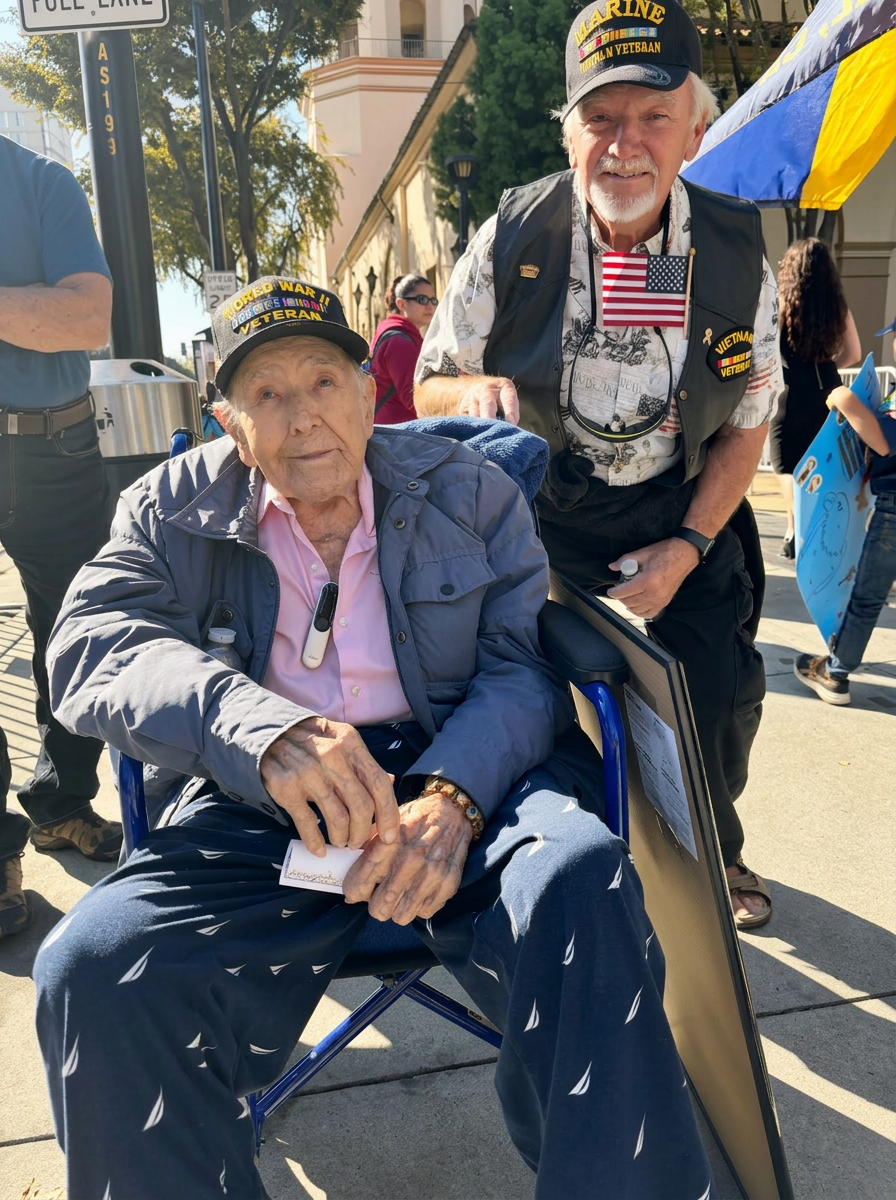
Hi — my name is Dennis Uram. I’m a U.S.M.C. combat veteran (Vietnam), 1966, 1967, 1968.
I spent parts of three years in Vietnam, mostly in the mountains and jungles outside of Da Nang, Duc Pho, and Quang Tri. Our base camp was 13 miles out of Da Nang. We would be deployed from the base camp into the mountains or jungles by helicopter, dropped off on search-and-destroy missions. We were dropped off in areas where we were getting enemy fire.
We were part of a group called the Tunnel Rats. We would find hidden caves and tunnels, and we would have to climb into the cave to try to find Viet Cong, or to clear the cave out looking for P.O.W. captives. After we cleared the cave and removed any U.S. military, we would destroy the cave by blowing it up.
Any personnel we would find — dead or alive — we returned to base camp. Parts of them or all of them. Everyone wanted their child, their son, back one way or another. I was also part of a flame-thrower patrol that would destroy caves after clearing them out. It was not a very good job, finding U.S. soldiers in the caves dead or alive or tortured. Sometimes they did not even know who we were — friend or foe.
I was also put on night patrol on top of a mountain to protect the Army as they would build base camp — a night sniper and radar detector.
They would helicopter us into a base camp that was being fired upon at night and that the enemy was trying to overrun. They would put us on guard duty with flame throwers. The enemy would not try to overrun the camp when the flame throwers were on duty — no one wants to get burned to death. They used to call us Shake and Bake.
In those days, coming back to the United States was not an easy time in life for U.S. veterans. There was very little help and understanding of what veterans go through when fighting in a war. Killing people changes your life forever — you’re never the same person coming back home from war.
Remember this, soldiers — that I told you this: if you go to war, and you draw first blood, when you come back home you will not make a good dad or father, or a very understanding husband. At least I did not. Remember, you will remember what you did for the rest of your life. P.T.S.D. sucks.
What we’re working toward
One of our first goals is to advocate for veterans whose driver’s license or vehicle plate carries the D.V. (Disabled Veteran) designation to gain access to the carpool Lane (HOV).
We are also pushing for dedicated Veterans Parking at shopping malls, grocery stores, businesses, doctor’s offices, and other everyday destinations — reserved for vehicles displaying a Disabled Veteran (D.V.) license plate.
We are also working toward becoming a nonprofit organization so we can expand our efforts and better serve the veteran community. Doing that well will take funding — donations are welcome.
What we believe
- No veteran should have to walk this stretch of road alone.
- Respect is shown in small, quiet acts — not slogans.
- Older veterans, including those from Vietnam, deserve a community that meets them where they are.
- Wherever possible, veterans should receive priority consideration in everyday life.
- This platform stays apolitical. We serve people, not parties.
Putting veterans first at every level.
This website exists to advocate for veterans and to help ensure they receive the recognition, respect, and benefits they have earned through their service.
How it works in practice
- If there is a waiting line, there should be a dedicated line for veterans alongside the general public line. We provide the signs.
- Businesses and organizations that support veterans should make veteran-friendly accommodations whenever feasible.
- Clear signs and instructions should be posted so veterans know what services and benefits are available to them.
Identification
To receive veteran-specific benefits or accommodations, individuals must be able to identify themselves as veterans.
- A Veteran ID card with a photo is preferred.
- Other valid government-issued photo ID that confirms veteran status may also be accepted — it must include a photo of the veteran.
- Only photo identification is valid. No photo, no verification.
The men and women who served this country should be first in line — not as a favor, but as a standard.